Known as the Gateway to the Hill Country, Dripping Springs sits on limestone karst terrain in Hays County where heavy cedar coverage and rapid new development create distinct gutter challenges. Proper drainage protects both foundations and the sensitive Onion Creek watershed below.
Dripping Springs Gutter Expertise
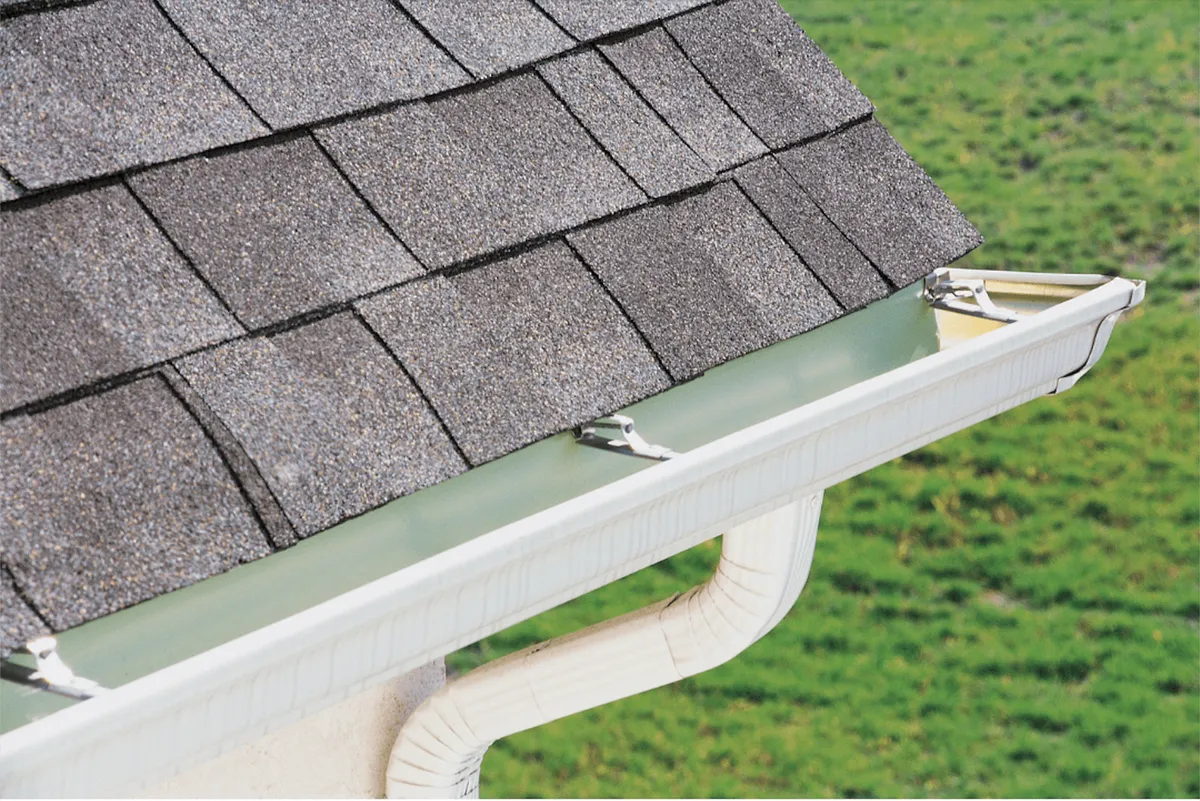
Dripping Springs is defined by Ashe juniper—the cedar that blankets Hays County's hillsides. Cedar drops bark strips, pollen cones, and fine debris twelve months a year, and the volume is staggering. A single mature cedar tree can fill a gutter trough in a matter of weeks, and most Dripping Springs lots host dozens of them. Without gutter guards or a rigorous cleaning schedule, clogged systems become the norm rather than the exception.
Beneath the cedar canopy lies limestone karst terrain, riddled with fractures and solution cavities that funnel water unpredictably underground. That geology means surface drainage matters more here than in areas with absorbent soils. When gutters overflow, the runoff does not soak in—it flows across exposed rock and collects against foundations, finding every crack in a slab or pier-and-beam system.
Both the Onion Creek and Pedernales River watersheds cross Dripping Springs, and responsible water management is not just a homeowner concern but a community one. Properly routed downspouts reduce erosion and protect the aquifer recharge zones that make this region's water supply possible.
Rapid Growth, New Rooflines
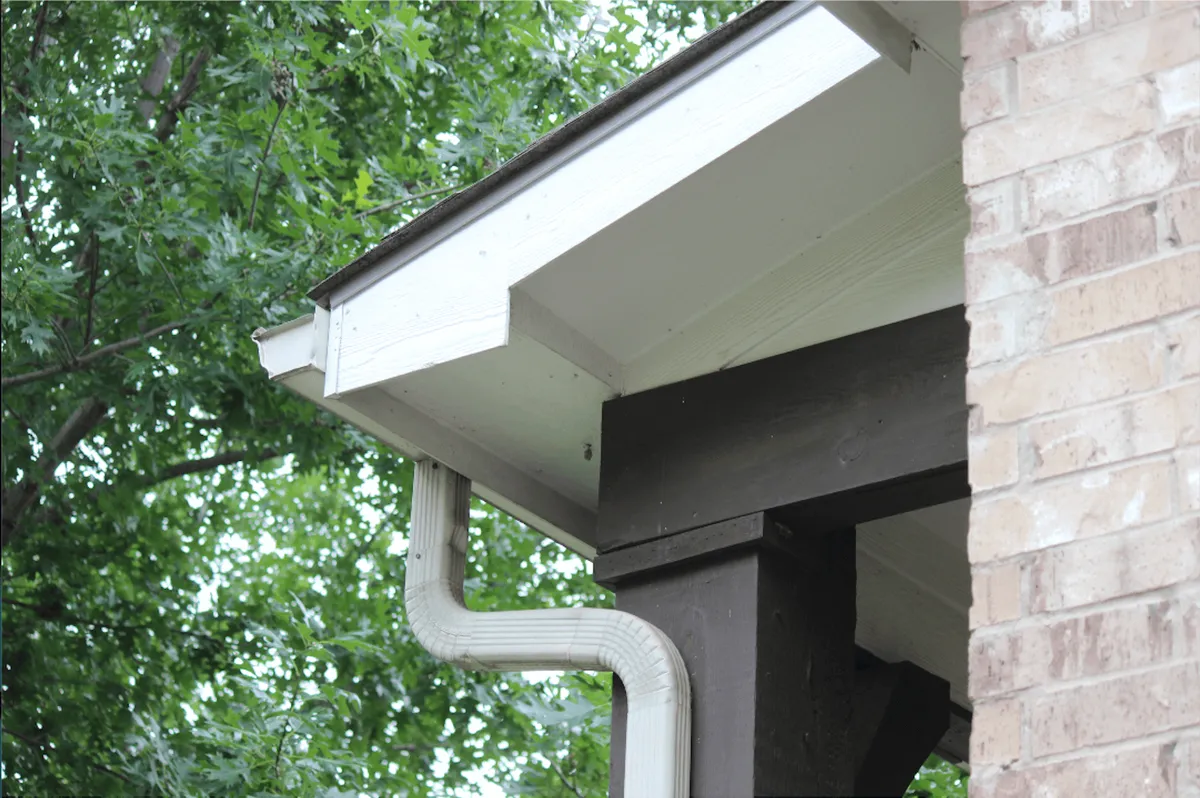
Dripping Springs has exploded with new development along the Highway 290 corridor. Subdivisions like Caliterra, Headwaters, and Belterra have added thousands of homes in recent years, blending Hill Country ranch-style architecture with contemporary modern designs. These newer builds often feature standing-seam metal roofs and steep pitches that accelerate water velocity, demanding 6-inch gutters and strategically placed downspouts to handle the increased flow.
Meanwhile, the area's wineries, distilleries, and event venues represent a separate category of gutter need entirely. High-end commercial properties along Fitzhugh Road and Ranch Road 12 maintain manicured grounds where uncontrolled roof runoff causes visible damage to landscaping, parking areas, and entryways. For these properties, copper gutter systems offer both functional performance and the aesthetic refinement that matches their brand.
Whether the project involves a three-bedroom starter home in a master-planned community or a custom estate on twenty acres, Dripping Springs properties share one common requirement: a gutter system that accounts for heavy cedar debris and the fast-draining limestone geology beneath every lot.
Available Services
Seamless aluminum and copper systems custom-fitted on site.
Learn More →Leak sealing, re-pitching, and section replacement.
Learn More →Debris removal, flushing, and full system inspection.
Learn More →Micro-mesh and screen systems to block leaves and debris.
Learn More →Extensions, rerouting, and underground drainage ties.
Learn More →Nearby Service Areas
Headquarters location northeast of Dripping Springs along Hwy 71.
View Area →Full-service coverage across the greater Austin metro area.
View Area →Upscale lakeside community north of Dripping Springs in Travis County.
View Area →Fast-growing Hays County communities southeast along I-35.
View Area →From the new subdivisions along 290 to the ranch estates on Fitzhugh Road, Hill Country homes need gutter systems built for cedar country and limestone terrain.
(512) 737-7412