Failing, sagging, or leaking gutters replaced with seamless systems custom-fabricated on-site. When patching is no longer enough, a full replacement protects the home—and is the moment to right-size capacity for Central Texas storms.
Call anytime
(512) 737-7412
A few clear signals separate a gutter that needs a repair from one that needs replacing. Sections that sag or pull away from the fascia, joints that leak no matter how often they're resealed, cracks and splits along the troughs, and rust or peeling paint on the gutters or the fascia behind them all point to a system at the end of its life.
Water is the other tell. If rainwater sheets over the edges during storms, pools against the foundation, or has begun staining the siding, the existing gutters aren't moving water the way they should—often because seams have failed or the system was undersized to begin with. Homes that need a repair every season have usually crossed the line where full replacement is the cheaper path.
Age is the simplest indicator. Sectional aluminum systems installed in the 1990s and 2000s are commonly reaching the end of their service life, and once a gutter run passes twenty years, replacing it in one pass is typically more economical than chasing individual failures.
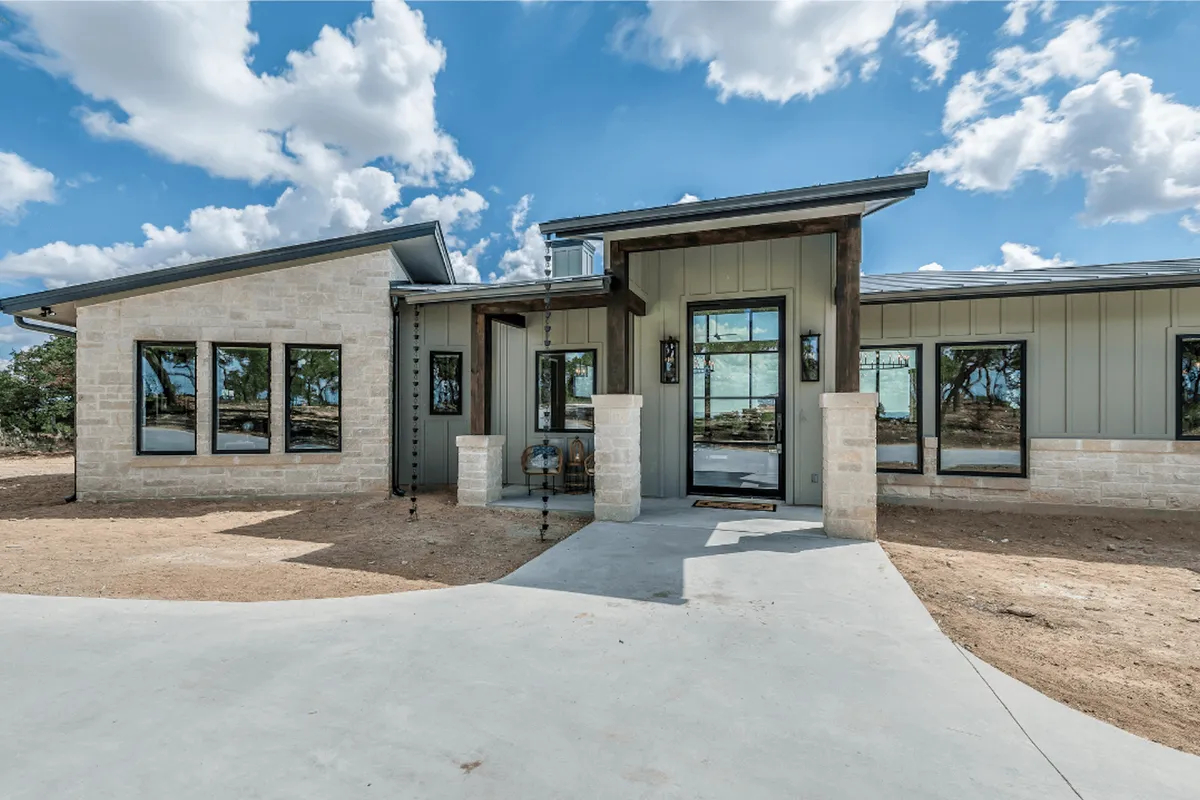
A replacement isn't just swapping like for like—it's the best chance to correct whatever wasn't working. The Austin metro area receives roughly 34 inches of rain per year, much of it in sudden, heavy downpours. Undersized 5-inch gutters that struggled with that volume can be stepped up to 6-inch seamless systems that carry about 40 percent more water, paired with larger downspouts that clog far less easily.
Material selection matters just as much as sizing. Aluminum handles the region's heat-and-UV cycles without warping and resists corrosion even after years of exposure. Copper develops a natural verdigris patina that many Hill Country homeowners prize for its aesthetic, and it lasts 50 years or more. Steel offers superior rigidity for large-span runs. The National Weather Service's Austin/San Antonio forecast office publishes historical rainfall data that underscores why gutter sizing and material choice are critical in this part of Texas.
Replacement is also the moment to fix pitch and add protection. Re-hanging every run at the correct quarter-inch-per-10-foot slope keeps water moving, and adding gutter guards during a replacement keeps the new system clear far longer between cleanings.
Central Texas averages 34 inches of precipitation each year, with some of the most intense single-storm rainfall totals in the continental United States. That volume of water demands a gutter system engineered for capacity — not a one-size-fits-all product pulled off a shelf. On-site fabrication ensures every run, miter, and downspout placement is tailored to the specific roofline and drainage requirements of the property.
Transparent Pricing
| Material | Price per Linear Ft | Best For | Lifespan |
|---|---|---|---|
| Aluminum 5" | $6 – $12 | Most residential homes | 20–30 years |
| Aluminum 6" | $8 – $15 | Larger roofs, heavy rainfall | 20–30 years |
| Copper | $25 – $40 | Premium aesthetics, longevity | 50+ years |
| Half-Round | $10 – $22 | Historic or Mediterranean-style homes | 25–30 years |
| Steel | $7 – $14 | Large-span runs, high-wind areas | 20–25 years |
Replacement pricing includes removal and disposal of the old system. Estimates vary with roofline complexity, number of stories, fascia condition, and accessibility. Call for a free on-site quote.
Free estimates for full gutter replacement across Central Texas.
How It Works
A technician inspects the existing gutters and fascia, measures the roofline, and recommends the right replacement material and size.
The old gutters and downspouts are detached and removed, and the fascia is inspected for hidden damage before the new system goes up.
New seamless gutters are roll-formed on-site and secured with hidden hangers, pitched precisely toward each downspout.
The entire system is tested with water to confirm proper flow, secure attachment, and clean finished appearance before sign-off.
Common Questions
Serving the Greater Austin Area
Every neighborhood in the Greater Austin area presents unique replacement considerations. Homes in Leander and Cedar Park are predominantly newer construction with straightforward fascia profiles, while Westlake Hills and Lakeway feature luxury custom homes on steep, wooded lots that often require oversized 6-inch systems and specialized downspout routing. Dripping Springs and Spicewood homeowners contend with heavy Ashe juniper coverage, making gutter guard pairing especially important at installation. In Round Rock, Georgetown, and Pflugerville, the expansive Blackland Prairie clay soils amplify the need for proper gutter drainage to protect foundations from seasonal expansion and contraction. Across Austin and Buda and Kyle, professional gutter replacement is tailored to each property's specific roofline, soil conditions, and tree exposure.
Free estimates available for homes throughout Bee Cave, Austin, and the surrounding Hill Country communities.
(512) 737-7412 Get a Free Estimate