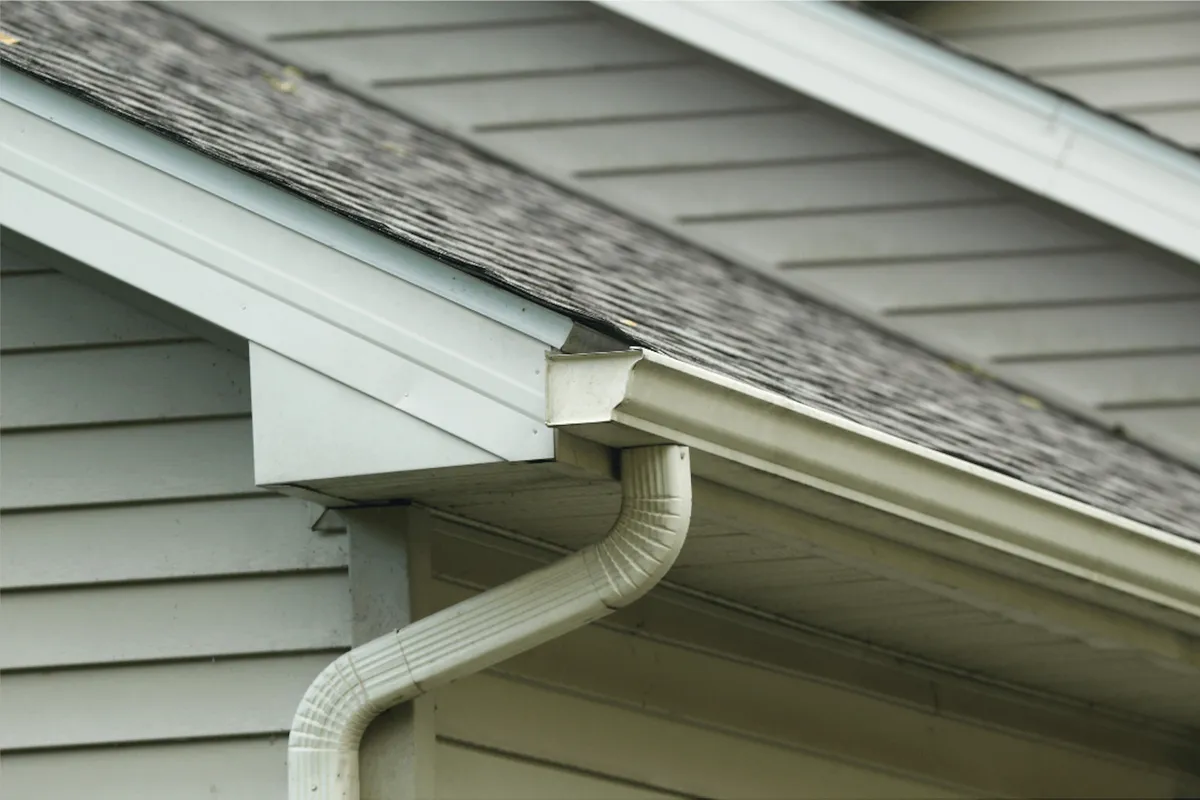
Downspouts are the critical link between the gutter system and proper ground drainage. Undersized, clogged, or improperly routed downspouts undermine even the best gutter installation — channeling water directly against the foundation instead of away from it.
Call anytime: (512) 737-7412
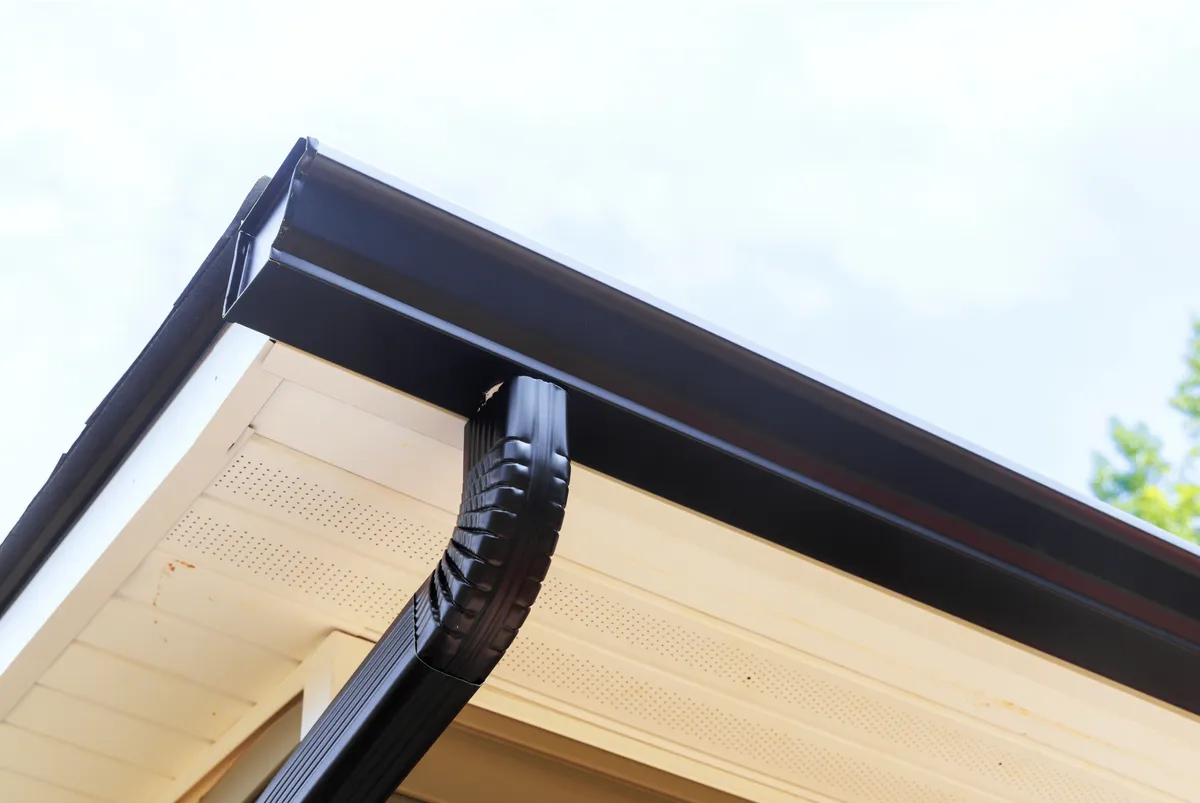
The Hill Country presents unique drainage challenges that flat-terrain communities simply do not face. Properties in Bee Cave, Lakeway, and Westlake Hills frequently sit on lots with significant elevation changes — sometimes 10 to 20 feet of grade difference between the front and rear of the home. Without carefully planned downspout routing, water from the uphill side of the roof can pool against foundation walls and saturate the expansive clay soils that dominate this region.
Central Texas clay soils are particularly reactive to moisture. When saturated, they expand with considerable force, exerting lateral pressure against foundation walls and causing upheaval beneath slab foundations. When they dry, they contract and crack, creating voids that allow foundation settling. This constant cycle of expansion and contraction is the primary cause of foundation distress in the Austin area, and improperly routed downspouts accelerate the process by concentrating water in the worst possible location.
Professional downspout routing addresses these issues through strategic placement, proper sizing, and — where necessary — underground drain tie-ins that move water well beyond the foundation's influence zone. On sloped lots, this often means routing downspouts to daylight on the downhill side of the property, sometimes incorporating French drain systems or catch basins to manage water across multiple discharge points.
Learn about downspout extension methods →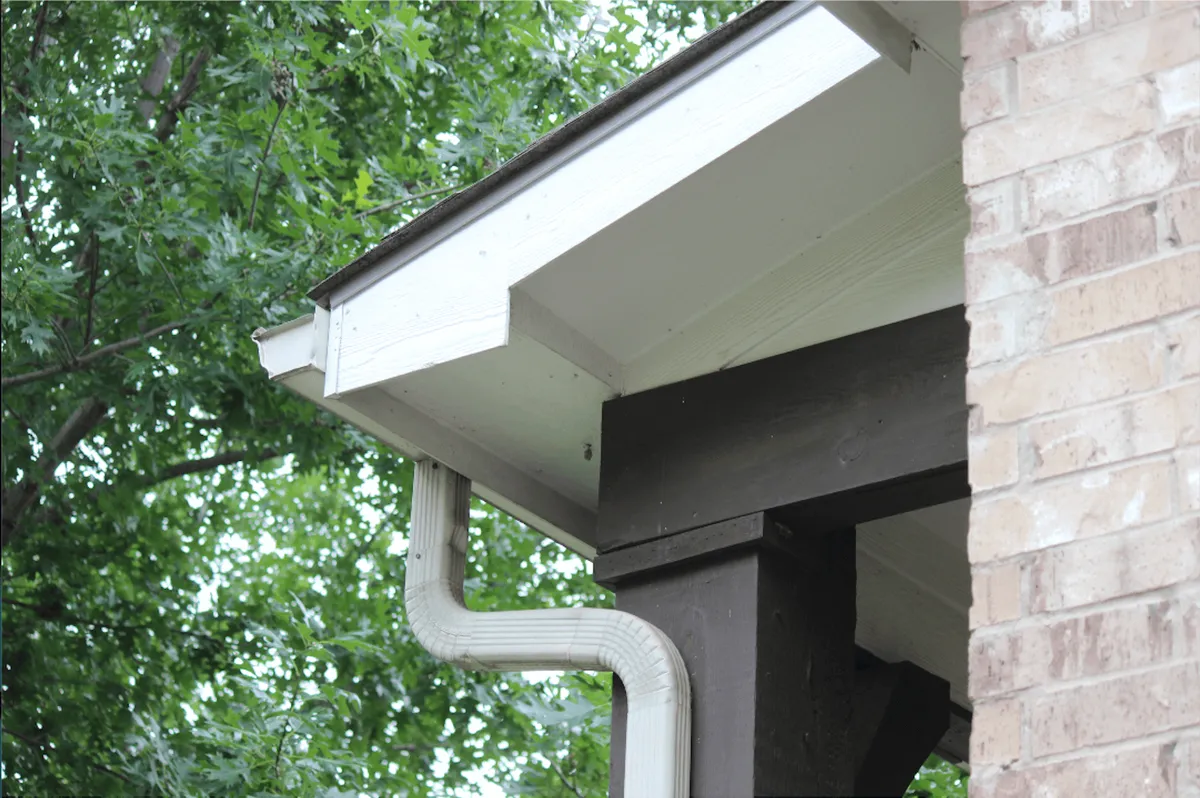
Downspout issues often go unnoticed until they have already caused damage, largely because homeowners tend to focus on the gutters themselves rather than the drainage path below. The most telltale sign is water pooling near the foundation after rain — particularly if it occurs consistently in the same area. This usually indicates that a downspout is discharging too close to the home, that an extension has shifted, or that an underground drain has become obstructed.
Soil erosion near downspout exits is another red flag. When water exits a downspout at full velocity without adequate splash block protection or extension routing, it carves channels in the landscape and displaces mulch, exposing bare soil that washes away with each successive storm. Over time, this erosion can undermine walkways, patios, and even the foundation footing itself. Visible water stains or algae growth on the exterior wall near a downspout suggests a leak at a seam or elbow joint that is allowing water to track down the siding rather than flowing through the pipe.
During rain, overflowing gutters despite clear channels almost always point to a downspout blockage. Debris — particularly the fibrous catkins from Ashe juniper and the seed casings from pecan trees — tends to accumulate at the transition between the gutter and the downspout inlet, creating a dam that backs water up into the gutter channel. A gurgling sound from the downspout during rain is another indicator of partial obstruction.
Guide to downspout maintenance →Foundation repair in Central Texas averages $5,000 to $15,000 for moderate damage and can exceed $30,000 for severe cases. The most common cause is poor water management around the perimeter of the home. Properly sized, routed, and maintained downspouts are the first line of defense — a relatively modest investment that protects the single most expensive structural component of any property.
Typical price ranges for residential downspout services. Final pricing depends on property configuration.
| Service | Price Range | Details |
|---|---|---|
| Downspout Installation | $75–$200 each | New downspout run including brackets, elbows, and outlet connection |
| Extension / Rerouting | $50–$150 | Above-ground extensions or rerouting existing downspouts away from foundation |
| Underground Drain Tie-In | $300–$800 | Buried PVC line from downspout to remote discharge point or dry well |
| Splash Block Installation | $25–$75 | Concrete or plastic splash block to disperse water at downspout exit |
| Full Drainage Assessment | Free | Included with any gutter service appointment |
A free drainage assessment evaluates every downspout, extension, and discharge point on the property.
Call Anytime for a Free AssessmentA technician evaluates the property's grading, existing downspout placement, soil conditions, and any signs of water damage or erosion around the foundation perimeter.
Based on the assessment, a plan is developed that may include adding downspouts, rerouting existing ones, installing extensions, or tying into underground drainage systems.
All downspout work is completed with properly sized materials, secure bracket mounting, sealed joints at every connection, and correct pitch for maximum water flow.
Each downspout is tested with water to verify unobstructed flow from gutter to discharge point. Underground lines are flushed and checked for proper drainage away from the foundation.
Serving the Greater Austin Area
Proper downspout placement and drainage routing is critical across Central Texas, where soil behavior and lot grading vary dramatically between communities. In Lakeway and Westlake Hills, steep hillside lots require extended downspout runs and sometimes underground drainage to move water safely away from foundations built into limestone slopes. Austin properties on the Blackland Prairie deal with expansive clay soils that demand careful water routing — downspouts that discharge too close to the foundation contribute to the very soil movement that causes structural damage. Cedar Park, Leander, and Round Rock subdivisions often feature zero-lot-line homes where downspout discharge must be carefully directed to avoid neighboring properties. In Dripping Springs, Spicewood, and the broader Hill Country, the underlying karst limestone creates unpredictable drainage patterns that require site-specific downspout solutions. Georgetown, Pflugerville, and Buda and Kyle properties benefit from downspout extensions and splash blocks sized for the region's intense rainfall rates.
A free on-site assessment covers downspout placement, sizing, drainage routing, and a complete inspection of the existing gutter-to-ground water path.
Get a Free Estimate