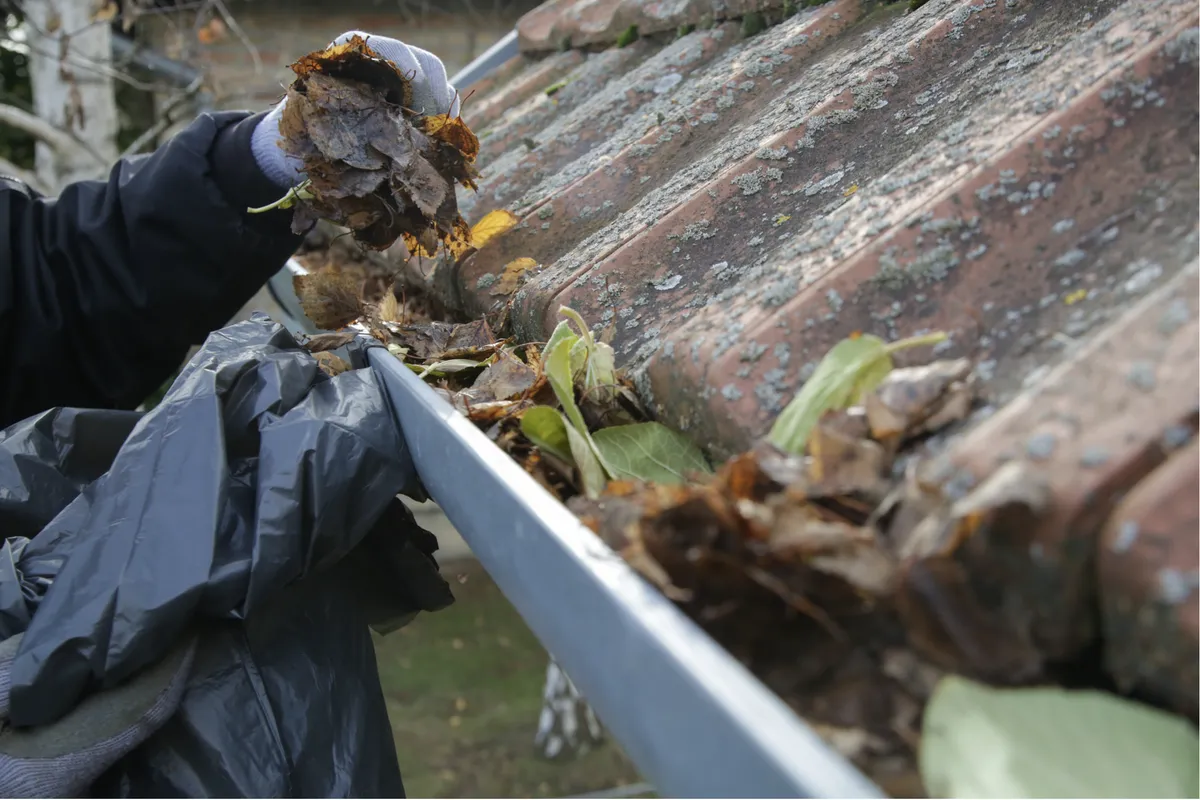
Live oak leaves, Ashe juniper catkins, and pecan debris make unprotected gutters a constant maintenance burden in Central Texas. Professional gutter guard systems reduce cleaning frequency by up to 90% while keeping water flowing freely.
Call anytime: (512) 737-7412
The Hill Country presents a uniquely challenging environment for unprotected gutter systems. Live oaks — the dominant shade tree across Bee Cave, Lakeway, and Westlake Hills — are technically evergreen, shedding old leaves in spring while simultaneously producing catkins and new foliage. That means gutter debris is not a seasonal problem but a year-round reality that compounds rapidly during the spring and fall transition months.
Ashe juniper (mountain cedar) adds another layer of complexity. Its fibrous bark sheds in strips, and the infamous pollen season blankets everything in a fine yellow-green dust that mixes with moisture inside gutters to form a cement-like sludge. Pecan trees contribute their own share — heavy seed casings and leaflets that pack tightly against downspout openings. Left unchecked, this combination can fully obstruct a gutter run in as little as four to six weeks.
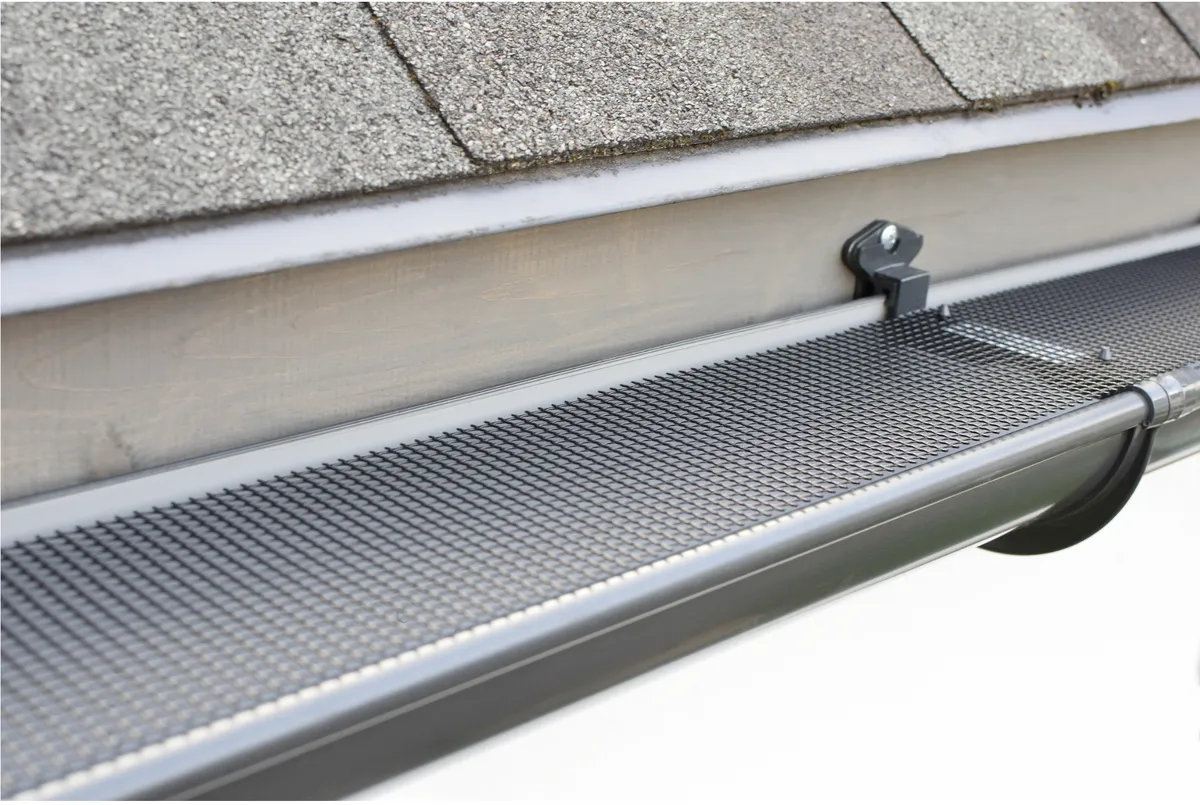
Professional gutter guards address the root cause rather than the symptom. Instead of repeated cleanings that temporarily clear the channel, guards create a physical barrier that lets rainwater in while keeping debris out — dramatically reducing the maintenance cycle and protecting the fascia board from the moisture damage that clogged gutters inevitably cause.
Learn more about gutter guard types →
Not all gutter guards are created equal, and the best choice depends on the specific debris load, roof pitch, and budget of the property. Screen guards — the most basic option — use a perforated metal or plastic cover that blocks large leaves but allows smaller debris through. They are the most affordable entry point but require more frequent maintenance than higher-grade alternatives.
Micro-mesh guards represent the current gold standard for residential debris protection. These systems feature a fine stainless steel mesh over an aluminum frame, blocking everything from pine needles to roof grit while maintaining excellent water flow. The mesh openings are typically around 50 microns — small enough to filter out the fine catkins and pollen dust that plague Central Texas properties. For homes surrounded by live oaks or pecans, micro-mesh consistently outperforms every other guard category.
Solid cover (reverse curve) guards use surface tension to pull water around a curved edge into the gutter while debris slides off. They deliver a premium aesthetic but can struggle with heavy Texas downpours where water volume overwhelms the surface tension effect. Foam inserts, while inexpensive and easy to install, tend to trap debris on top and degrade under UV exposure — making them a poor long-term investment for this climate.
Compare guard performance ratings →High-quality micro-mesh gutter guards can reduce the need for professional gutter cleaning by up to 90%, according to industry studies. For the average Central Texas homeowner spending $150–$250 per cleaning visit three to four times a year, guards often pay for themselves within three to five years — while preventing the water damage that neglected gutters can cause between service appointments.
Estimated cost per linear foot, installed. Final pricing varies by home configuration.
| Guard Type | Price Range | Protection Level | Notes |
|---|---|---|---|
| Screen Guards | $3–$5 / LF | Basic | Blocks large leaves; smaller debris passes through |
| Micro-Mesh Guards Recommended | $7–$15 / LF | Best Debris Blocking | Filters catkins, pollen, and pine needles |
| Solid Cover (Reverse Curve) | $10–$20 / LF | Premium | Sleek look; may overflow in heavy rain |
| Foam Inserts | $2–$4 / LF | Minimal | DIY option — not recommended for long-term use |
Ranges reflect 2026 industry pricing data compiled from Angi and This Old House. Micro-mesh is the strongest match for the heavy live oak, cedar, and pecan debris common across Bee Cave and the Hill Country.
A free estimate includes a full assessment of the property's debris load and gutter condition.
Call Anytime for a Free EstimateA technician evaluates the existing gutter system, roof type, tree coverage, and debris patterns to recommend the best guard type for the property.
All existing debris is removed and the gutter channels are flushed clean. Any loose hangers or pitch issues are corrected before guards are fitted.
Guards are custom-fitted to each gutter run, secured without lifting shingles or drilling into the roof deck, and trimmed for a precise fit at corners and end caps.
The system is tested with water to verify proper flow through the guards and into the downspouts. A walkthrough covers maintenance expectations and warranty details.
Serving the Greater Austin Area
Tree coverage and debris type determine which gutter guard system performs best in each Central Texas community. Homeowners in Leander and Cedar Park dealing with post oak and pecan debris benefit from micro-mesh systems that block even fine particles. In Dripping Springs and Spicewood, where Ashe juniper dominates, guards must handle the fine, sticky pollen and bark shreds that standard screens often let through. Westlake Hills and Lakeway properties surrounded by mature live oaks require guards rated for heavy catkin loads during spring. Round Rock, Georgetown, and Pflugerville homes near agricultural land may encounter dust and fine sediment buildup that pairs well with reverse-curve designs. Across Austin and Buda and Kyle, a professional assessment of the property's specific tree exposure ensures the right guard system is matched to the right debris challenge.
A free on-site estimate covers guard type recommendations, exact pricing for the property, and a full inspection of the existing gutter system.
Get a Free Estimate